Looking to add the timeless appeal of stone without the hefty price tag or structural load? Stone veneer provides a realistic, durable facade that can be installed on both new builds and remodels, delivering a genuine stone look while keeping costs and labor manageable. In 2026, homeowners are turning to this lightweight cladding for its aesthetic flexibility and low maintenance, especially when comparing options in the home siding guide for the best exterior solutions.
What Is Stone Veneer and Why It’s Gaining Popularity?
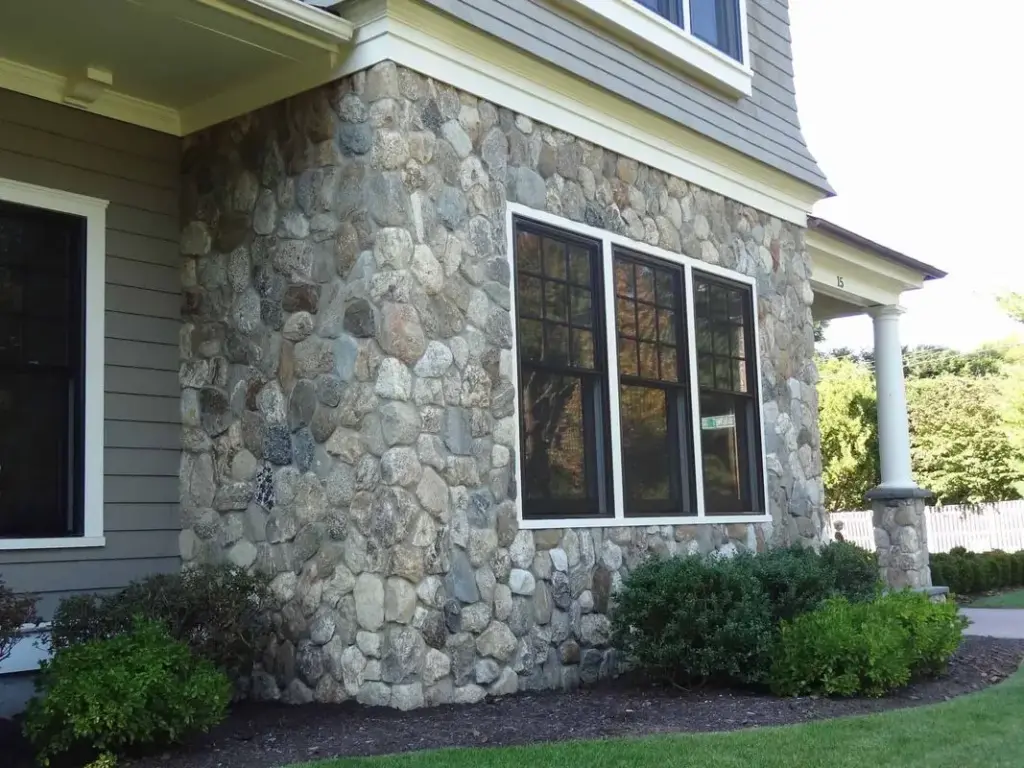
Stone veneer is a thin layer of natural or manufactured stone designed to mimic the appearance of solid masonry. Unlike full‑depth stone, veneer panels are usually ½–¾ inch thick, making them far easier to handle and attach to existing walls. The surge in popularity this year can be attributed to three main factors:
- Affordability: Real stone can cost $15–$30 per square foot, while veneer typically ranges from $5–$12, according to the 2026 Home Improvement Cost Survey by the National Association of Home Builders (NAHB).
- Installation Simplicity: Lightweight stone panels can be installed over wood, stucco, or concrete with standard tools, enabling DIY enthusiasts to achieve professional results.
- Design Versatility: From rustic fieldstone to sleek slate finishes, veneer offers a broad palette that fits modern, traditional, and transitional styles alike.
Types of Stone Veneer on the Market
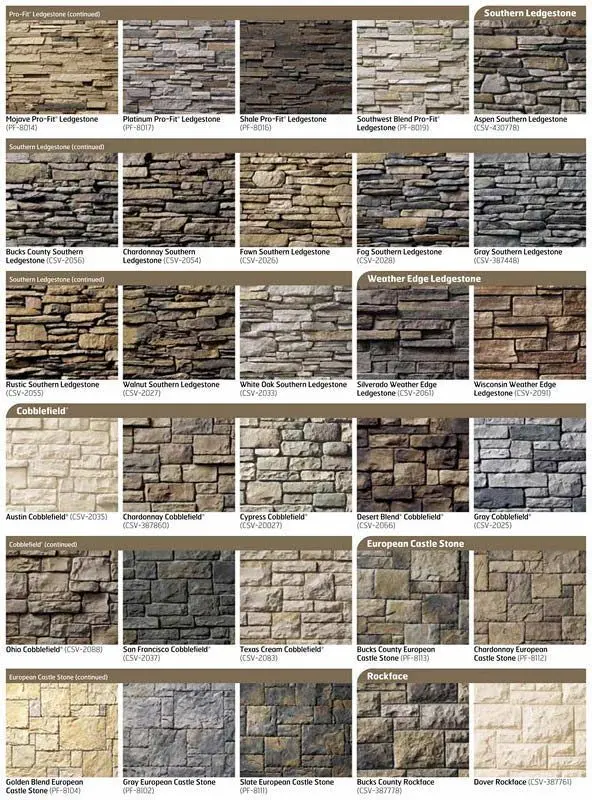
Understanding the differences among the main categories helps you choose the right product for your project.
Table of Contents
- What Is Stone Veneer and Why It’s Gaining Popularity?
- Types of Stone Veneer on the Market
- Natural Stone Veneer
- Engineered (Cultured) Stone
- Lightweight Stone Panels
- Cost Comparison in 2026
- Step‑by‑Step DIY Installation Guide
- Common Mistakes to Avoid
- Maintenance and Longevity
- Real‑World Case Studies
- Frequently Asked Questions
- Can stone veneer be installed over existing siding?
- Is stone veneer suitable for interior walls?
- How does stone veneer compare to vinyl siding in terms of durability?
- What is the environmental impact of manufactured stone?
- Do I need a professional for the mortar work?
- Final Thoughts
Natural Stone Veneer
These are thin slices cut directly from real stone quarries. They retain authentic color variations and texture, delivering the most genuine look. Because they are still stone, they are denser and slightly heavier than manufactured options, but still far lighter than full‑depth blocks.
Engineered (Cultured) Stone
Manufactured from a blend of concrete, aggregates, and pigments, cultured stone is molded into molds that replicate the appearance of natural stone. It offers excellent consistency and can be produced in large panels, reducing seams.
Lightweight Stone Panels
Often referred to as “thin stone veneer,” these panels incorporate a polymer‑based core, making them ideal for retrofit projects where wall load capacity is limited. They are particularly popular for interior accent walls and exterior cladding on older homes.
Cost Comparison in 2026
When budgeting, it’s essential to look beyond material price. Installation labor, required backer boards, and finishing details all affect the final figure. Below is a snapshot from the NAHB 2026 Housing Cost Index:
- Natural stone veneer: $7–$12 per sq ft (material only).
- Engineered stone: $5–$9 per sq ft.
- Lightweight panels: $4–$8 per sq ft.
- Installation labor: $2–$4 per sq ft (average, depending on region).
Compared with traditional brick siding ($6–$10 per sq ft) or metal siding ($7–$12 per sq ft), stone veneer delivers a premium look at a comparable or lower total cost, especially when factoring in the increased home resale value—real estate data from Zillow 2026 Market Trends shows a 3.5% price uplift for homes featuring stone facades.
Step‑by‑Step DIY Installation Guide
For the handy homeowner, installing stone veneer can be a rewarding weekend project. Follow these steps to ensure a durable, crack‑free finish.
- Assess the Substrate: The wall must be flat, sound, and capable of bearing the veneer’s weight. Clean any loose paint or debris.
- Apply a Moisture Barrier: Install a weather‑resistant house wrap (e.g., Tyvek) to protect the structure from moisture infiltration.
- Install Backer Board: Attach a cementitious backer board (typically ½‑inch thick) using corrosion‑resistant screws. This provides a solid base and prevents cracking.
- Mark Layout: Starting from the bottom, use a level and chalk line to create a reference line. Plan for a ¼‑inch staggered joint pattern to mimic natural stone.
- Mix Mortar: Use a polymer‑modified mortar as recommended by the veneer manufacturer. The mix should be workable but not too runny.
- Apply Mortar Bed: Spread a ½‑inch thick mortar layer with a notched trowel, working in sections no larger than 3 sq ft.
- Set the Veneer: Press each stone piece into the mortar, tapping gently with a rubber mallet to level it. Maintain the staggered layout and leave a ¼‑inch gap for expansion joints.
- Cut to Fit: Use a masonry saw or angle grinder with a diamond blade to trim pieces around windows, doors, and corners.
- Clean Joints: After the mortar sets (usually 24 hours), brush away excess and apply a sealing grout if required.
- Seal the Surface: Although many veneers are pre‑sealed, applying a breathable stone sealer extends lifespan, especially in high‑humidity regions.
For more on hiring professionals when a DIY approach isn’t feasible, see the Vinyl Siding Contractors Near Me: How to Choose the Best Local Pros in 2026 guide, which outlines criteria applicable to stone veneer installers as well.
Common Mistakes to Avoid
Even experienced renovators can stumble. Here are the pitfalls that most cause premature failure:
- Skipping the Expansion Joint: Stone expands and contracts with temperature changes. A ¼‑inch joint filled with flexible backer prevents cracking.
- Using the Wrong Mortar: Ordinary Portland cement mortars lack the flexibility needed for veneer, leading to bond failure.
- Over‑loading the Wall: Adding veneer over a weak sheathing without reinforcement can sag or detach.
- Neglecting Proper Flashing: Water intrusion at rooflines and window perimeters is a leading cause of mold behind stone veneer.
- Inconsistent Color Matching: Buying multiple batches of veneer can result in noticeable hue shifts; always purchase enough material for the entire project.
Maintenance and Longevity
One of the biggest selling points of stone veneer is its low upkeep. According to a 2025 study by the Building Materials Research Center (BMRC), properly installed veneer retains its structural integrity for 30–50 years with minimal intervention.
- Cleaning: A soft brush and mild detergent once a year removes dirt and algae. Power washing on a low setting is safe, but avoid high‑pressure streams that could dislodge mortar.
- Sealing: Reapply a breathable stone sealant every 5–7 years in coastal or high‑rainfall zones.
- Inspection: Check for cracked joints or loose panels after severe weather. Prompt repointing with polymer‑modified mortar prevents water ingress.
Real‑World Case Studies
Homeowners across the United States are showcasing stone veneer in creative ways. In Austin, TX, a mid‑century modern home combined metal siding on the upper story with a natural stone veneer base, achieving a striking contrast while staying under the $30,000 exterior renovation budget.
Meanwhile, a suburban family in Ohio used cultured stone on their front porch and a lightweight panel system on the rear patio, cutting labor costs by 40% compared to a traditional brick approach. The project’s success was largely due to following the step‑by‑step installation plan outlined above and hiring a local contractor vetted through the Find the Best “Siding Near Me” in 2026 guide.
Frequently Asked Questions
Can stone veneer be installed over existing siding?
Yes, provided the existing siding is in good condition and a moisture barrier and backer board are installed. This method is common when homeowners want to upgrade aesthetics without tearing down the whole exterior.
Is stone veneer suitable for interior walls?
Absolutely. Lightweight panels are especially popular for accent walls in living rooms and bathrooms, offering the stone look without excessive weight.
How does stone veneer compare to vinyl siding in terms of durability?
Stone veneer outperforms vinyl in UV resistance and impact resistance. While vinyl can crack under extreme temperature shifts, veneer, when properly sealed, remains intact for decades.
What is the environmental impact of manufactured stone?
Engineered stone uses cement, which has a higher carbon footprint than natural stone. However, manufacturers are increasingly incorporating recycled aggregates and low‑carbon cements, reducing overall emissions by up to 30% (EPA 2025 Green Building Report).
Do I need a professional for the mortar work?
If you’re comfortable mixing and applying mortar, a DIY installation is feasible. For large façades or multi‑story applications, a licensed contractor ensures code compliance and structural safety.
Final Thoughts
Stone veneer stands out as a cost‑effective, aesthetically versatile, and durable exterior cladding solution for 2026 homeowners. By selecting the appropriate type, budgeting wisely, and following a disciplined installation process, you can achieve a timeless stone look without the expense and hassle of full‑depth masonry. Whether you tackle the project yourself or enlist a vetted contractor, the result is a beautiful, low‑maintenance façade that adds value and curb appeal for years to come.
Ready to explore more siding options and find the right professionals in your area? Browse our home siding guide for comprehensive comparisons and step‑by‑step advice.
For an in‑depth technical reference, see the Wikipedia entry on stone veneer.
